
Female hair thinning is often noticed slowly—wider parting, reduced ponytail volume, and more visible scalp under light. In many cases, women in Gurugram try multiple shampoos, oils, and supplements before realising the problem is progressing despite routine care.
At Wellness Story, we provide advanced female hair thinning treatment in Gurugram, focused on identifying the real medical cause rather than only treating surface symptoms. We combine detailed scalp analysis with dermatology-led treatment plans to address hormonal imbalance, nutritional deficiencies, and environmental stress factors that affect hair density over time.
Understanding Female Hair Thinning and Why It Should Not Be Ignored
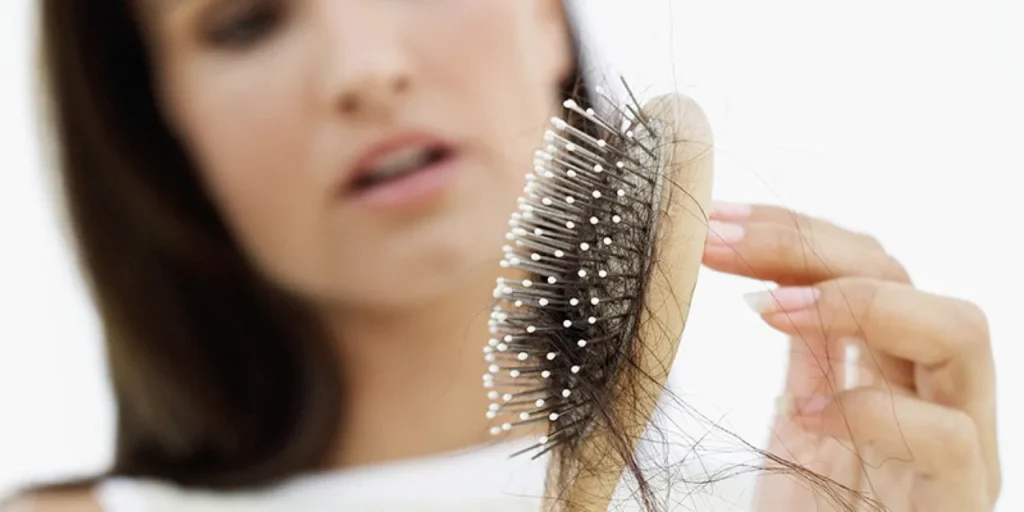
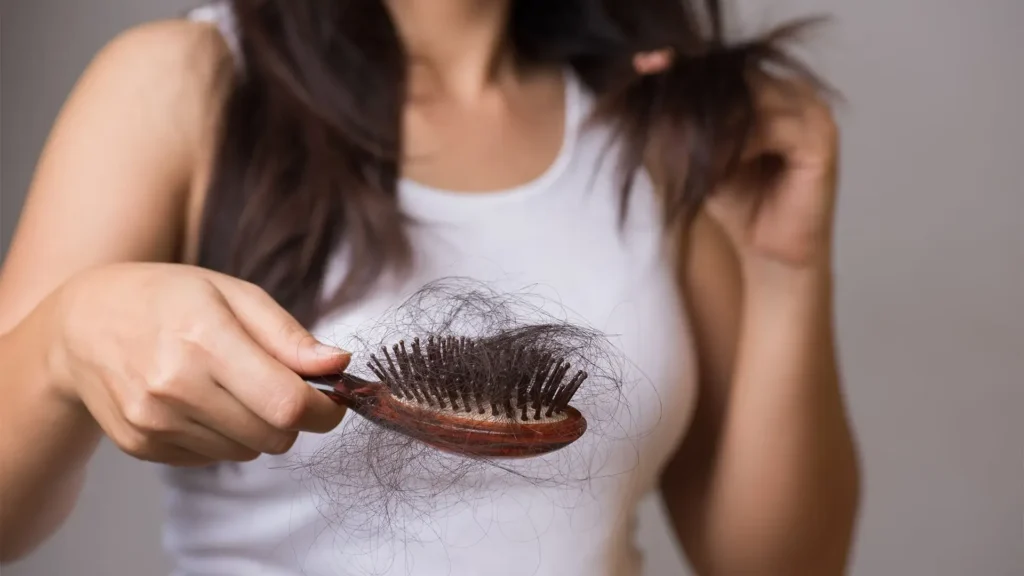
Female hair thinning usually happens very slowly, which is why most women don’t notice it in the beginning. It often starts with small changes, like hair looking less full than before or the scalp becoming slightly more visible when you comb or style your hair.
Unlike normal hair fall, thinning means the hair that grows back becomes finer, weaker, and less dense over time. If it is not addressed early, the reduction in volume can continue gradually and become more noticeable.
Some early signs you may notice include:
- Hair overall looks less thick than it used to
- The scalp becomes slightly more visible, especially in bright light or sunlight
- Hair does not feel as strong or dense when you touch or style it
- Hair coverage looks uneven in some areas of the head
Noticing these changes early is important because treatment works better when started at an early stage. This is why at Wellness Story, we focus on early scalp evaluation and identifying the exact cause before starting any treatment plan.
What Causes Hair Thinning in Women? The Real Medical Reasons
Female hair thinning is rarely caused by a single factor. In most cases, multiple internal and external triggers work together. We generally categorise the causes into four key groups:
1. Hormonal and metabolic imbalance
Conditions such as PCOS, thyroid irregularities, and post-pregnancy hormonal shifts can significantly disrupt the hair growth cycle. These changes often shorten the active growth phase of hair.
2. Nutritional deficiencies
Low levels of iron storage (ferritin), Vitamin D3, and Vitamin B12 are commonly seen in urban women. These nutrients directly affect follicle strength and regeneration capacity.
3. Stress and lifestyle pressure
Chronic stress can push a large number of follicles into a resting phase simultaneously, leading to sudden or continuous shedding. This is commonly seen in working professionals in Gurugram.
4. Environmental and styling damage
Hard water minerals, pollution buildup, heat styling, and tight hairstyles contribute to long-term follicle weakening and traction-related stress.
The important message here is simple: this condition is medically explainable and highly treatable when diagnosed correctly.
So don’t wait for thinning to progress further. Visit Wellness Story for a personalised consultation and clear understanding of your hair health, so the right treatment can start at the right time.
Different Types of Hair Thinning You Should Know
At Wellness Story, diagnosis is always the first step before treatment. Not all hair thinning behaves the same way, which is why understanding the type is essential.
Type | How It Looks | Main Reason |
Female Pattern Hair Loss | Hair slowly becomes thinner on the top of the head | Mainly genetic and hormonal changes |
Telogen Effluvium | Sudden increase in hair fall while washing or combing | Stress, illness, or nutritional deficiency |
Alopecia Areata | Small round patches where hair is missing | Immune system-related condition |
Traction Hair Loss | Hair becomes thin near the front or sides | Caused by tight hairstyles or pulling of hair |
Each type requires a different medical approach. Treating them all the same way often leads to poor outcomes, which is one of the main reasons home-based solutions fail.
Why Home Remedies and Generic Products Fail Long-Term
Many women first try hair oils, anti-hair fall shampoos, or online supplements. These may make hair feel a little better for a short time, but they do not fix the real cause of thinning.
Hair thinning happens under the scalp, where hair growth is actually controlled. Most cosmetic products only work on the surface, so they cannot change what is happening at the root level.
Because of this, people often see:
- Temporary improvement, followed by hair fall again
- Delay in getting the right medical diagnosis
- Continued thinning over time without real improvement
At Wellness Story, we often meet women who realise later that starting proper medical treatment earlier could have helped protect their hair density much better.
Clinically Proven Female Hair Thinning Treatments at Wellness Story
Our treatment approach is simple: we focus on improving hair root health by treating the real cause of thinning, not just what you can see on the surface. Every patient at Wellness Story first goes through a detailed scalp check before any treatment is decided.
Advanced Scalp Analysis (Trichoscopy)
We closely examine the scalp using high-magnification imaging to understand how healthy the hair roots are. This helps us see thinning patterns clearly and create a treatment plan made specifically for each person, instead of using a general approach.
PRP Therapy
In this treatment, we use natural growth factors taken from your own blood. These help support weak hair roots and slowly improve hair thickness over time.
GFC Therapy
This is an advanced version of regenerative treatment where stronger and more focused growth signals are used. It helps wake up inactive hair roots and supports better regrowth.
Mesotherapy
In this method, essential nutrients are delivered directly into the scalp in very small amounts. It helps improve nourishment in areas where normal blood flow may not be enough.
Medical Correction Plans
If needed, we also treat internal causes like hormonal imbalance or nutritional deficiencies with proper medical guidance, supplements, and lifestyle advice.
Low-Level Laser Therapy
This is a gentle, non-invasive treatment that improves blood flow in the scalp and helps stimulate weaker hair roots in the early stages of thinning.
Every treatment is chosen only after proper diagnosis. We do not use the same plan for everyone, because every case of hair thinning is different.
Step-by-Step Treatment Process at Wellness Story
Step 1: Scalp Evaluation
We begin with a detailed scalp analysis to understand the exact cause and pattern of hair thinning.
Step 2: Diagnosis Discussion
Our doctor explains what is actually happening with your hair and what is driving the thinning.
Step 3: Personalised Treatment Plan
We design a customised plan based on your scalp condition, lifestyle, and medical needs.
Step 4: Treatment Sessions
Depending on your plan, treatments like PRP, GFC, or mesotherapy are done in scheduled sessions.
Step 5: Progress Review
We regularly track improvement and adjust the plan if needed for better long-term results.
Why Hair Thinning Treatments Work Differently at Wellness Story in Gurugram
At Wellness Story, hair restoration is guided by clinical depth and long-term medical experience. Our strength lies not only in technology but in structured dermatological expertise.
We are supported by:
- 49+ years of collective medical experience
- 26+ qualified dermatologists and specialists
- USFDA-approved, non-surgical treatment systems
- Advanced diagnostic infrastructure for scalp evaluation
Beyond treatment, we focus on creating clarity for patients who often feel confused by conflicting advice. Our goal is to provide a medically grounded roadmap rather than trial-and-error solutions.
Convenient Clinics in Sector 51 & Sector 85, Gurugram
We operate dedicated hair and skin care clinics in Sector 51 (near Artemis Hospital and South City 2) and Sector 85 (close to New Gurugram residential belt and Dwarka Expressway side developments). This makes it easy for both working professionals and residents to reach us without a long travel across the city.
Both clinics are designed with private consultation spaces, especially for women who prefer a discreet and comfortable setting for evaluation and treatment planning. Appointments are managed in a structured way, so waiting time stays minimal and visits feel smooth and organised.
Our locations are well connected to key areas like Golf Course Extension Road, Sohna Road, and Dwarka Expressway, making follow-ups easy and practical even for busy schedules.
What Results Can You Expect?
Hair restoration is a gradual biological process, not an overnight change. We set realistic expectations so patients can track genuine progress.
- First 3–6 weeks: Reduction in active hair shedding and stabilisation of the scalp cycle
- 2–3 months: Early improvement in hair texture and reduced fragility
- 3–6 months: Noticeable improvement in density and parting line coverage
Consistency in treatment and follow-up plays a critical role in long-term success.
Trusted by Women Across Gurugram
Over the years, we have worked with women from diverse backgrounds—students, professionals, new mothers, and individuals dealing with chronic hair concerns. Many report not just physical improvement but also restored confidence in daily life.
Our clinical satisfaction rate stands at 97.8%, based on structured follow-ups and treatment response evaluations. While results vary by individual condition, most patients experience meaningful improvement when treatment is started early.
Frequently Asked Questions
Is female hair thinning reversible?
Yes, in most cases, it is reversible or manageable if treated early before hair roots become inactive.
How many sessions are required?
Most patients require 4 to 6 sessions spaced a few weeks apart, depending on the severity and diagnosis.
Is PRP or GFC treatment painful?
Discomfort is usually minimal. We use numbing methods and fine delivery systems to keep the procedure comfortable.
Will hair thinning return after stopping treatment?
It depends on the underlying cause. If hormonal or nutritional issues are properly managed, results are usually maintained with basic follow-up care.
When should I start treatment?
The earlier the evaluation is done, the better the response. Delaying treatment can reduce how well hair roots recover.
Take the First Step Toward Hair Recovery
At Wellness Story, we always start with a simple but detailed scalp check because treating hair without understanding the cause rarely works. Many women feel clarity after this step because they finally get to know what is actually happening with their hair.
If you are noticing early changes like reduced hair volume or visible scalp, this is the right time to get it evaluated. Our clinics in Sector 51 or Sector 84, Gurugram, are available for proper consultation and diagnosis.
Hair thinning improves best when it is identified early and treated correctly. If you have been waiting or trying different things without results, this is usually the point where a medical approach can make a real difference.