
Many skin allergies and eczema start with a simple itch or rash that refuses to go away. You apply a cream, the redness settles for a few days, and then the itching comes back again. If your skin keeps flaring up despite trying different products, it may be a sign that the real cause has not been identified.
At Wellness Story, our experienced skin specialists in Gurugram focus on finding the root cause of recurring allergic skin conditions instead of simply treating the symptoms. With expert dermatologist-led care, personalised treatment plans, and advanced clinical evaluation at our Sector 85 and Sector 51 clinics, we help patients manage eczema, contact dermatitis, hives, and other allergic skin concerns with confidence.
Book a consultation with our skin specialist today and take the first step towards healthier, itch-free skin.
Meet Our Skin Specialists at Wellness Story
At Wellness Story, your skin is cared for by experienced medical professionals who take the time to understand your concerns, identify the underlying cause, and recommend treatments tailored to your skin condition and lifestyle.
Dr Shama Naaz – Consultant Dermatologist
Dr Shama Naaz specialises in diagnosing and treating eczema, allergic skin conditions, contact dermatitis, chronic itching, acne, pigmentation, hair disorders, and other medical skin concerns. She focuses on evidence-based treatment plans that aim to control flare-ups while supporting long-term skin health.
Dr Astha Bashani – Cosmetologist
Dr Astha Bashani provides medical cosmetology care for patients who may require guidance for post-inflammatory skin changes, skin texture, dryness, or overall skin rejuvenation once active skin conditions are under control.
Dr Ashna Khan – Aesthetic Physician
Dr Ashna Khan offers personalised aesthetic skin care and supports patients looking to improve overall skin quality and maintain healthy-looking skin after inflammatory skin conditions have been effectively managed.
When Is It Time to See a Skin Specialist?
A skin rash may seem minor at first, but if it keeps coming back or does not improve, it should not be ignored. Early diagnosis can help prevent the condition from becoming more severe.
You should consult a skin specialist if you notice:
- Itching that lasts for several days
- Dry, flaky, or cracked skin
- Red patches that keep coming back
- Burning or stinging after using skincare products
- Thick or rough skin from repeated scratching
- Small blisters or oozing skin
- Itching that disturbs your sleep
- Dark marks left after the rash heals
- Rashes that return after stopping creams or medicines
Many skin conditions look similar but need different treatments. If your symptoms keep returning or don’t improve, visit a dermatologist instead of trying different creams on your own.
Allergic Skin Conditions We Treat at Wellness Story
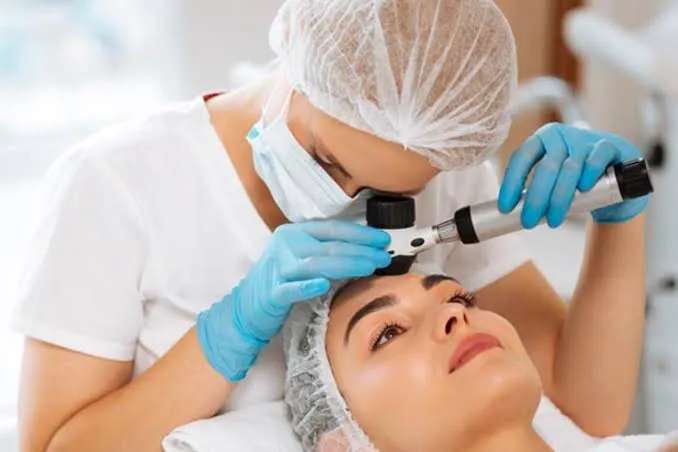
Not every itchy rash or skin allergy is the same. Our skin specialist carefully examines your symptoms to find the exact cause so you receive the right treatment, not just temporary relief.
Eczema
Eczema causes dry, itchy, red, and cracked skin that often comes and goes. It can affect both children and adults, and flare-ups are commonly triggered by weather changes, stress, or certain irritants. Proper treatment focuses on controlling symptoms and reducing future flare-ups.
Skin Allergy from Products or Chemicals
Some people develop rashes after using soaps, cosmetics, perfumes, hair colours, detergents, or wearing certain jewellery. Finding the trigger is an important part of treatment to help prevent the allergy from returning.
Hives (Raised Itchy Rashes)
Hives are raised, itchy bumps that can appear suddenly and disappear within hours. They may be triggered by certain foods, medicines, stress, infections, heat, or cold. Identifying the trigger helps in better long-term management.
Seasonal and Dust Allergies on the Skin
Weather changes, pollution, dust, sweat, and other environmental factors can cause itchy skin and recurring rashes. We assess your daily routine and surroundings to identify what may be triggering your skin problems.
Constant Itching Without a Rash
Sometimes your skin keeps itching even when there is no visible rash. This may be an early sign of eczema, dry skin, an allergy, or another skin condition. Our dermatologist investigates the underlying cause instead of simply treating the itching.
What Causes Allergic Skin Conditions and Eczema?
Skin allergies rarely develop because of a single reason. They usually result from a combination of environmental exposure, lifestyle habits, inherited tendencies, and the skin’s natural protective barrier becoming weaker over time.
Cause Category | Common Examples |
Environmental | Pollution, dust mites, pollen, changing weather, prolonged air-conditioning exposure |
Lifestyle | Stress, poor sleep, excessive hot showers, harsh skincare routines |
Product-Related | Soaps, perfumes, hair dyes, makeup, detergents, chemical-based cosmetics |
Medical Factors | Family history, weakened skin barrier, immune system responses, existing allergies |
Food Triggers | Certain foods may trigger flare-ups in some individuals, but triggers vary from person to person and should never be assumed without proper evaluation. |
Living in Gurugram can also trigger skin allergies due to pollution, weather changes, hard water, and long hours in air-conditioned environments. These factors often make eczema and other allergic skin conditions flare up more frequently.
That’s why we don’t just treat the rash. We identify the possible triggers and create a personalised treatment plan to help manage symptoms and reduce future flare-ups.
Why Skin Allergies Keep Coming Back
Many skin allergies improve for a while but return because the root cause has not been treated. In some cases, the skin barrier has not fully healed, making the skin more sensitive to triggers.
Common reasons include:
- Using steroid creams without a proper diagnosis
- Stopping treatment too early
- Not moisturising and repairing the skin barrier
- Continued exposure to allergy triggers
- Scratching the skin repeatedly
- Using harsh soaps or skincare products
At Wellness Story, we focus on finding the underlying cause, treating the active flare-up, and helping prevent future recurrences with personalised care.
Skin Allergy vs Fungal Infection vs Psoriasis: How They Differ
Many skin conditions look similar, which is why self-diagnosis often leads to the wrong treatment.
Condition | Common Symptoms | Typical Cause | Treatment Approach |
Skin Allergy / Eczema | Intense itching, dry or cracked skin, redness | Allergies, weakened skin barrier, immune response | Trigger management, prescription treatment, skin barrier repair |
Fungal Infection | Ring-shaped rash, peeling skin, itching with defined borders | Fungal growth, sweat, humidity | Medical antifungal treatment |
Psoriasis | Thick red patches with silvery scales | Autoimmune condition | Personalised dermatologist-led treatment |
A cream that works for one condition may worsen another. This is why an accurate diagnosis is the first step towards effective treatment.
How Our Skin Specialist Diagnoses Allergic Skin Conditions
Every patient’s skin is different, so we do not believe in one-size-fits-all treatment. During your consultation, we carefully assess your skin and medical history before recommending any treatment.
Our evaluation typically includes:
- Understanding when your symptoms started and how they have changed over time.
- Reviewing previous medications and treatments you have already tried.
- Examining your skin to assess inflammation, dryness, infection, and barrier damage.
- Discussing possible triggers, including skincare products, work environment, lifestyle, and seasonal changes.
- Creating a personalised treatment plan based on your condition and long-term skin goals.
This detailed approach helps us treat both the current flare-up and the factors contributing to repeated episodes.
Our Treatment Approach at Wellness Story
Treating skin allergies and eczema is about more than just applying a cream. We create a personalised treatment plan that helps calm your symptoms, heal your skin, and reduce the chances of future flare-ups.
Personalised Skin Consultation
Our dermatologist carefully examines your skin, understands your symptoms, reviews your medical history, and identifies possible triggers before recommending the right treatment.
Medicines for Skin Allergies
Based on your condition, treatment may include medicated creams, tablets, or other medicines to reduce itching, redness, and inflammation. We only recommend treatments that are suitable for your specific skin condition.
Skin Repair and Moisturising
Healthy skin has a natural protective layer that keeps moisture in and irritants out. We help repair this barrier with the right moisturisers and a gentle skincare routine to keep your skin healthier.
Finding and Avoiding Triggers
We help you identify things that may be causing your allergy, such as soaps, cosmetics, detergents, weather, or certain fabrics. Small changes in your daily routine can make a big difference.
Regular Follow-Up Care
Skin allergies and eczema can come back over time. Regular follow-up visits allow us to monitor your progress, adjust treatment if needed, and help keep your skin under better control.
Why Patients Trust Wellness Story
Choosing a skin specialist is about more than convenience. It is about finding a clinic that takes time to understand your condition and provides evidence-based care.
Patients choose Wellness Story because we combine:
- 49+ years of combined clinical experience across our medical team.
- 26+ qualified doctors delivering multidisciplinary healthcare.
- 10,000+ patients who have trusted us with their health and wellness.
- 97.8% patient satisfaction, reflecting our commitment to personalised care.
- USFDA-approved treatment protocols wherever applicable.
- Non-surgical, evidence-based dermatology solutions focused on patient safety and long-term skin health.
Simple Habits That Help Reduce Flare-Ups
While medical treatment is essential, healthy daily habits can support your recovery.
- Moisturise your skin regularly using fragrance-free products.
- Bathe with lukewarm rather than hot water.
- Choose soft cotton clothing whenever possible.
- Avoid scratching, even when itching feels intense.
- Use gentle cleansers instead of harsh soaps.
- Do not continue using steroid creams without medical advice.
- Try to identify products or situations that consistently trigger flare-ups.
When Should You Visit a Skin Specialist?
You should schedule a consultation if you notice:
- Severe or persistent itching
- Rashes spreading rapidly
- Cracked or bleeding skin
- Signs of infection such as pus or increasing pain
- Repeated flare-ups despite using creams
- Skin problems affecting sleep or daily activities
- Eczema symptoms in infants or young children
Early diagnosis often makes treatment more effective and helps reduce long-term skin damage.
Get Expert Care for Skin Allergies and Eczema in Gurugram
You don’t have to keep living with constant itching, recurring rashes, or skin allergies. With the right diagnosis and personalised treatment, most allergic skin conditions can be managed effectively, and flare-ups can be reduced over time.
Visit Wellness Story at our Sector 85 or Sector 51, Gurugram clinic and let our experienced skin specialists help you find the right solution for healthier, more comfortable skin.
Book your appointment today and take the first step towards long-term relief from skin allergies and eczema.
Frequently Asked Questions
Can eczema be permanently cured?
Eczema is a long-term condition, but with the right diagnosis, treatment, and skin care routine, most people can successfully manage symptoms and significantly reduce flare-ups.
Is every itchy rash caused by an allergy?
No. Itching may also result from fungal infections, psoriasis, dry skin, or other medical conditions, making a proper diagnosis essential.
Can stress trigger eczema flare-ups?
Yes. Emotional stress can worsen inflammation in some people and may trigger or intensify eczema symptoms alongside other environmental factors.
Should children with eczema see a dermatologist?
Yes. Early diagnosis and appropriate treatment can help control symptoms, reduce discomfort, and lower the risk of skin infections or long-term complications.
Can I use steroid creams without a prescription?
Steroid creams should only be used under a dermatologist’s guidance. Incorrect or prolonged use may lead to side effects and can sometimes make recurring skin problems more difficult to manage.