
Glutathione injections have quickly moved from niche antioxidant therapy to one of the most talked-about skin treatments. People often come in asking a simple question—“Will this safely brighten my skin?”
Here’s the honest answer: Glutathione injections can be safe in a strict medical setting—but they are not risk-free, and they are not approved for cosmetic skin lightening in many countries. The difference between a safe experience and a harmful one often comes down to how and where the treatment is done.
What Exactly Is Glutathione—and Why Is It Injected?
Glutathione is a naturally occurring antioxidant made in your body. It plays a role in detoxification, supports liver function, and helps neutralise oxidative stress.
In aesthetic medicine, it’s used for its ability to reduce melanin production, which may lead to a brighter or more even skin tone over time.
But there’s a catch.
Oral supplements and topical products work slowly. Injections, on the other hand, deliver glutathione directly into the bloodstream—creating higher and faster systemic levels, which is why they are marketed for quicker results.
That speed is also where the risk begins.
Are Glutathione Injections Actually Safe?
Safety isn’t a yes-or-no answer here. It depends on multiple clinical factors.
In a properly supervised medical setting, glutathione injections are generally well tolerated in selected patients. However:
- They are not FDA-approved for skin whitening
- Long-term safety data are still limited
- Risks increase significantly outside regulated clinics
In real clinical practice, we consider glutathione injections a “controlled medical procedure,” not a casual beauty treatment.
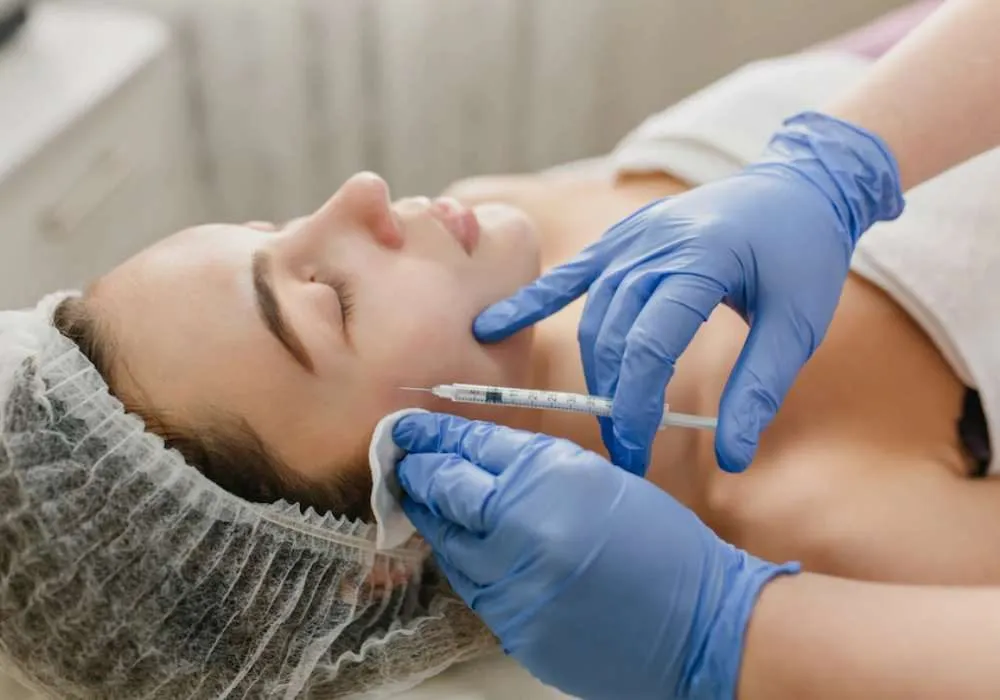
Why Injections Carry a Higher Risk Than Other Forms
Form | How It Works | Safety Profile |
Injectable (IV/IM) | Direct bloodstream delivery | Highest risk due to dosing, sterility, and systemic exposure |
Oral Supplements | Absorbed via digestion | Moderate safety, slower results |
Topical Products | Works on the skin surface | Safest, but limited effectiveness |
Because injections bypass the body’s natural filters, any contamination, incorrect dosage, or rapid administration can lead to serious complications.
Common Side Effects (What Most Patients Experience)
Most patients tolerate glutathione reasonably well when administered correctly. Still, mild side effects can occur.
These are usually temporary:
- Nausea or slight stomach discomfort
- Headache or dizziness
- Mild fatigue after the session
- Pain, redness, or swelling at the injection site
- Light skin rashes or itching
These reactions often resolve within hours to a couple of days. However, repeated sessions or high doses may increase sensitivity.
Serious Risks You Should Not Ignore
This is the part many clinics skip—but it matters the most.
Although rare, serious complications have been reported, especially in unregulated settings.
Potential risks include:
- Severe allergic reactions (anaphylaxis)
- Kidney or liver dysfunction due to metabolic overload
- Stevens-Johnson Syndrome (SJS) – a rare but serious skin condition
- Toxic epidermal necrolysis (TEN)
- Systemic inflammatory reactions (fever, low blood pressure, shock-like symptoms)
- Infections due to poor sterilisation
- Uneven or patchy skin tone with improper use
These are not theoretical risks—they are documented in medical literature and regulatory warnings.
The Hidden Risk: Poor Quality & Unregulated Products
One of the biggest dangers isn’t glutathione itself—it’s how it’s prepared and administered.
Unregulated clinics may use:
- Non-pharmaceutical grade glutathione
- Improperly stored or diluted solutions
- Unsafe injection techniques
This can lead to endotoxin contamination, which may trigger severe immune reactions.
This is why choosing the right clinic is not optional—it’s critical.
What Responsible Clinics Do Differently
At medically driven centres like Wellness Story in Sector 51 and Sector 85, Gurugram, the approach is very different from commercial beauty setups.
Instead of offering “quick glow packages,” the focus is on clinical safety protocols, including:
- Detailed consultation and medical history review
- Mandatory blood tests before starting treatment
- Controlled IV infusion (not rapid push injections)
- Use of pharmaceutical-grade formulations
- Monitoring during and after every session
This is what defines a safe glutathione protocol.
Pre-Treatment Checklist: What Your Doctor Should Evaluate
Before even considering injections, a qualified doctor should assess your internal health.
Key tests include:
- Liver Function Test (LFT)
- Kidney Function Test (Serum Creatinine)
- Complete Blood Count (CBC)
- G6PD levels (important for red blood cell safety)
Skipping these steps is a red flag.
The “Slow Drip” Factor Most People Don’t Know
Here’s something rarely explained.
Glutathione should ideally be given as a slow IV infusion over 20–30 minutes, not a quick injection.
Why?
- Rapid administration can cause sudden blood pressure drops
- It increases the risk of dizziness and adverse reactions
- The body needs time to process high antioxidant levels
Experienced clinics always control the infusion rate carefully.
Long-Term Concerns You Should Be Aware Of
Even if short-term sessions go smoothly, long-term use raises important questions.
Possible concerns include:
- Reduced zinc levels in the body
- Hormonal or thyroid imbalance (rare but reported)
- Dependency for maintaining skin tone
- Loss of natural UV protection due to melanin reduction
This is why ethical practitioners avoid recommending indefinite or excessive use.
We often recommend a periodic mineral check-up for our long-term patients to maintain this balance.
The Internal Support Strategy: Maximising Results Safely
Many people assume the injection alone drives results. In reality, outcomes improve when your body is supported to use glutathione effectively.
A medically guided approach often includes simple but important steps:
- Vitamin C support: Helps keep glutathione active in the body
- Proper hydration: Supports kidney function during detox processes
- Strict sun protection: Essential since reduced melanin lowers natural UV defence
At clinics like Wellness Story (Sector 51 & 85, Gurugram), this holistic protocol approach is prioritised—because safe, lasting results depend on more than just the injection itself.
Who Should Avoid Glutathione Injections?
This treatment is not suitable for everyone.
You should avoid or delay treatment if you:
- Are you pregnant or breastfeeding
- Have asthma or severe allergies
- Have liver or kidney disease
- Are immunocompromised
- Expect drastic or permanent skin lightening
A good doctor will refuse treatment if it isn’t safe for you.
What Dermatologists Actually Recommend Instead
Many dermatologists now take a more balanced approach.
Instead of relying only on injections, they suggest combining safer options:
- Topical treatments (Vitamin C, kojic acid, retinoids)
- Chemical peels for pigmentation
- Laser toning for deeper skin concerns
- Oral antioxidants for gradual improvement
These methods may be slower—but they come with better safety profiles.
Realistic Expectations: What Results Look Like
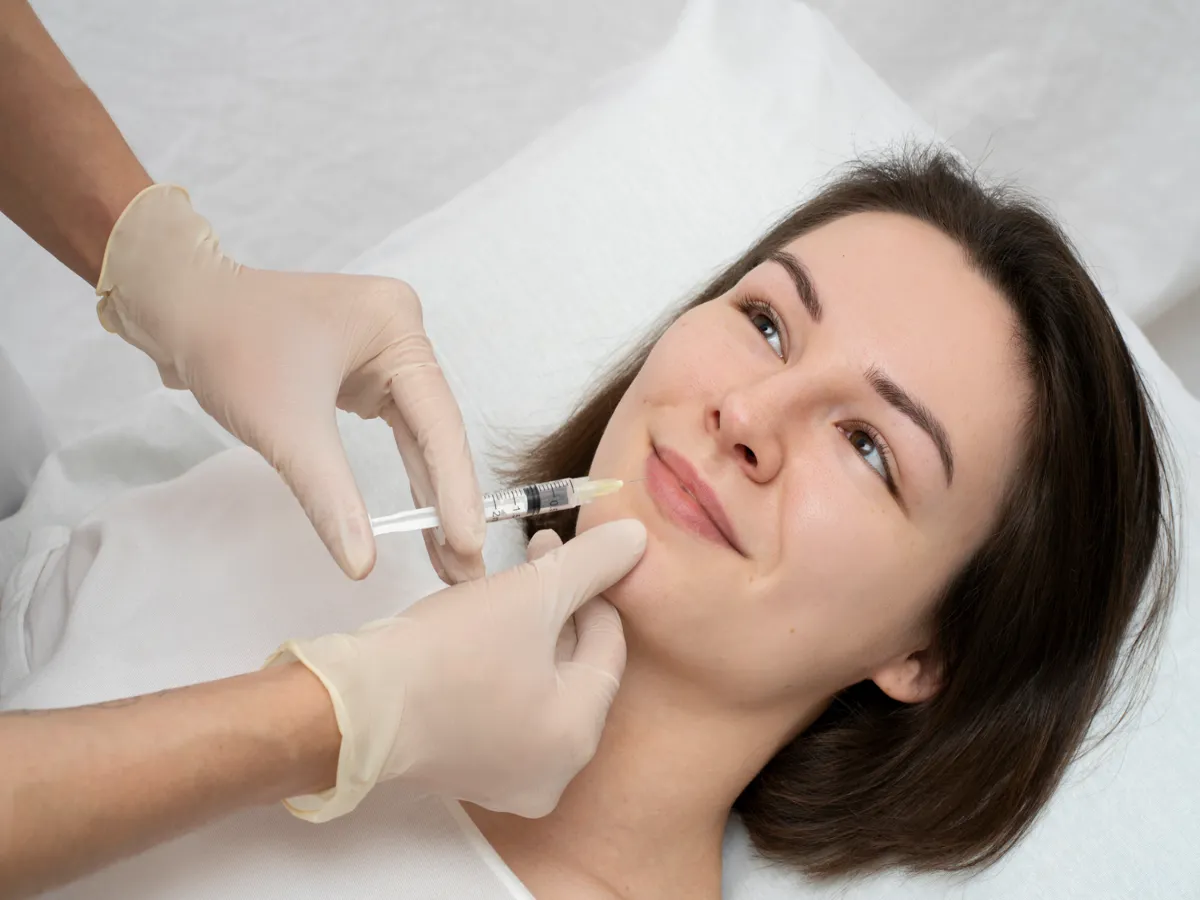
Let’s clear a common myth.
Glutathione injections do not create overnight fairness.
Typical timeline:
- Initial glow: 3–4 weeks
- Visible brightening: 6–8 weeks
- Maintenance required for sustained effect
And importantly, results vary from person to person.
A Quick Comparison: Safe vs Unsafe Approach
Factor | Safe Medical Clinic | Unregulated Setup |
Consultation | Detailed medical evaluation | Minimal or none |
Testing | Mandatory blood work | Not required |
Product Quality | Pharmaceutical grade | Unknown sources |
Administration | Controlled IV drip | Fast injections |
Monitoring | Continuous supervision | None |
This difference alone can determine your outcome.
Doctor’s Advice: How to Make a Safe Decision
If you are considering glutathione injections, keep these principles in mind:
- Never choose a clinic based on price alone
- Ask about the doctor’s qualifications and experience
- Confirm product quality and sourcing
- Ensure pre-treatment tests are done
- Avoid “package deals” with unrealistic promises
Clinics like Wellness Story (Sector 51 & 85, Gurugram) follow a medical-first philosophy, where safety, customisation, and patient education come before results.
So, Is It Worth the Risk?
Glutathione injections are not inherently unsafe—but they are often misused and oversold.
When done correctly:
- They can support skin health and antioxidant balance
When done incorrectly:
- They can lead to serious, sometimes irreversible complications
The real takeaway is simple:
This is a medical procedure—not a beauty shortcut.
Visit Wellness Story in Sector 51 and Sector 85 to understand what your skin truly needs and whether this treatment is right for you.
Final Word
If you’re exploring glutathione injections, take a step back and approach it like a healthcare decision, not a cosmetic trend.
Talk to a qualified doctor. Understand your body. Evaluate the risks.
Because in aesthetic medicine, the best results don’t come from the fastest treatments—they come from the safest ones.
Frequently Asked Questions
Can glutathione injections be combined with other skin treatments?
Yes, but only under medical supervision. Many dermatologists combine it with treatments like peels or lasers for better results, but the timing and dosage must be carefully planned to avoid skin sensitivity or overload.
Do glutathione injections work the same for every skin type?
No, results vary based on your natural skin tone, metabolism, and underlying conditions. Some people notice visible brightening, while others may see only subtle changes despite multiple sessions.
Is there a risk of skin becoming darker after stopping injections?
In some cases, yes. Once the treatment is stopped, your body returns to its natural melanin production, which may gradually reverse the brightening effect if no maintenance or skincare routine is followed.
Can I take vitamin C along with glutathione injections?
Vitamin C is often paired with glutathione as it may support its antioxidant activity. However, the dosage and method should be guided by a doctor to ensure it complements rather than interferes with treatment.
How do I know if a clinic is using genuine glutathione?
You should ask about the product source, packaging, and whether it is pharmaceutical-grade. A trustworthy clinic will be transparent about the brand, storage, and preparation standards without hesitation.